


Kavli Institute For Theoretical Physics
Presents
The KITP Public Lecture Series
Presents
The KITP Public Lecture Series
Artificial Intelligence and the Age of Emergence
sponsored by Friends of KITP
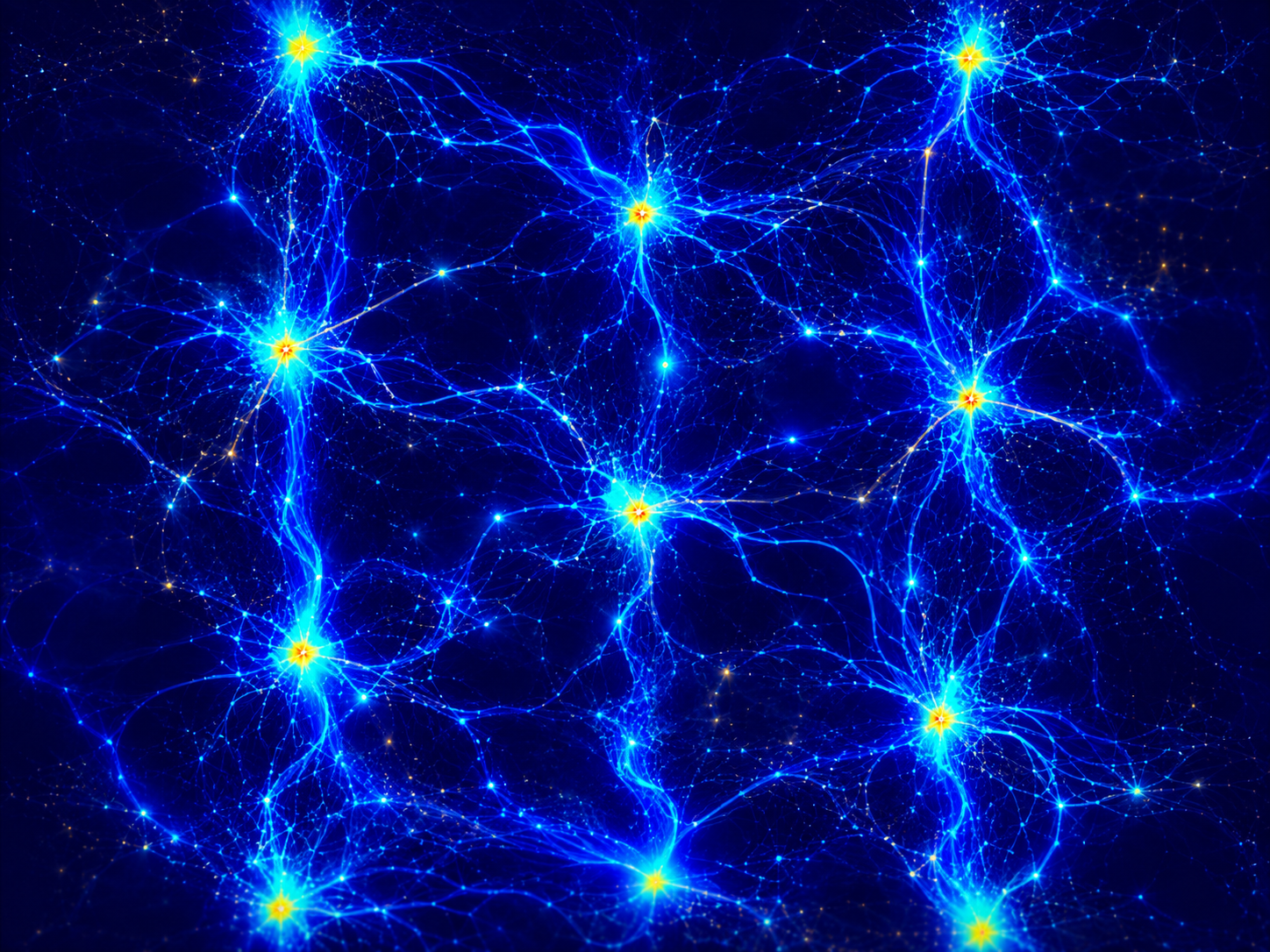
The universe is made up of things that interact. From microscopic particles in matter to human minds on the internet, these interactions can produce remarkable examples of “emergence”, or complex behaviour that cannot be predicted from individual parts.
Physicists remain deeply puzzled by emergence, as it produces remarkable properties observed in some materials. The mystery extends beyond physics to the rise of life, the existence of consciousness, and even the spread of internet memes. In this lecture, Prof. Roger Melko will follow common threads connecting these phenomena to the most striking recent example of emergence, artificial intelligence.
AI may itself offer new tools for unravelling the mysteries of emergence. Melko will describe how we are already using it to understand and control complex quantum systems, including quantum computers. Finally, he will ask whether a deeper understanding of hierarchies of emergence could allow us to harness it as a scientific and technological resource.
About the speaker:
Roger Melko is a theoretical physicist at the University of Waterloo and the Perimeter Institute for Theoretical Physics. He earned his PhD from UCSB, where he studied computational approaches to quantum matter. He then spent two years at Oak Ridge National Laboratory developing quantum simulations for some of the largest computers in the world, before returning to Canada to take up his professorship at Waterloo.
For the last decade, his research has explored the emerging relationship between artificial intelligence, condensed matter physics, and quantum science. His current work aims to bring AI and quantum computers together, creating a virtuous cycle in which intelligent machines help accelerate the development of quantum computers, and new AI/quantum hybrids open entirely new frontiers in complexity and intelligence for physicists to explore.